When it comes to building a sports dynasty, almost everyone agrees that it takes time.
In football, a harsh salary cap makes it difficult to rack up consecutive titles. The New England Patriots famously won six Super Bowls, but it took Bill Belichick and Tom Brady almost two decades to do so.
In basketball, Michael Jordan’s Chicago Bulls also won six titles, but even that dynasty took years to build and suffered a two-year hiatus in the middle.
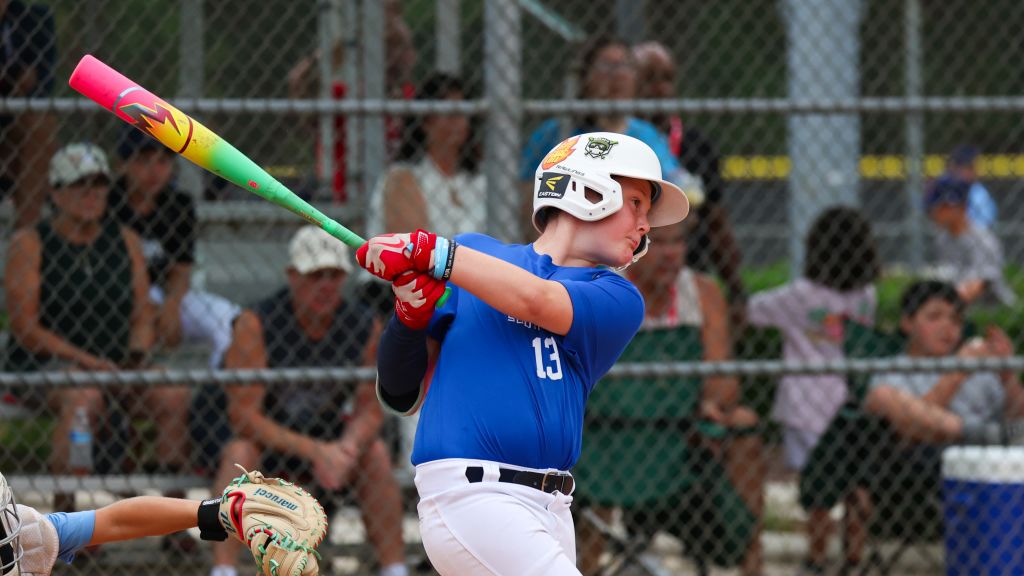
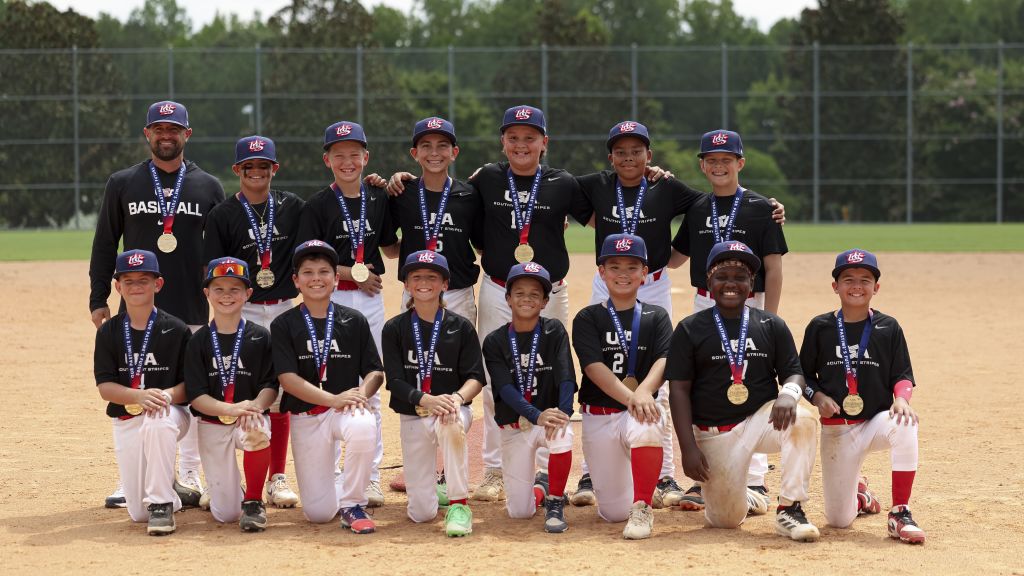
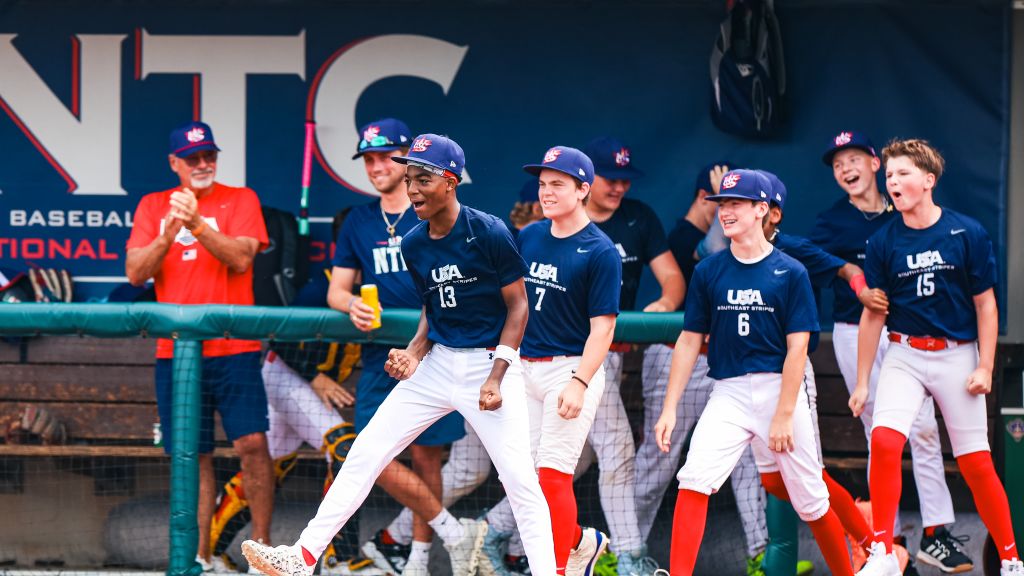
In amateur baseball, however, there is a six-title dynasty that is alive and well and showing no signs of slowing down. The Southwest region, which puts its best players up against the rest of the country in the National Team Identification Series (NTIS) Champions Cup each summer, is going for its seventh consecutive title this week in Cary, North Carolina.
And what’s even more impressive?
The coaches overseeing the Southwest region get just a few tryouts and practices each year to make it happen.
The NTIS program was launched by USA Baseball in 2009 to provide athletes from across the country an opportunity to compete for a spot on a USA Baseball national team. The selection process gets started in February, when each of the six regions (Midwest, Northeast, Northwest, South, Southeast, and Southwest) holds tryouts for local players in the 11U to 16U age groups.
The tryouts continue until each region names the athletes for each age group that will compete for the Champions Cup at the National Training Complex in Cary. That’s where the players -- most of whom have never played with their new teammates before -- are asked to come together in less than a week to compete against the top talent that the nation has to offer.
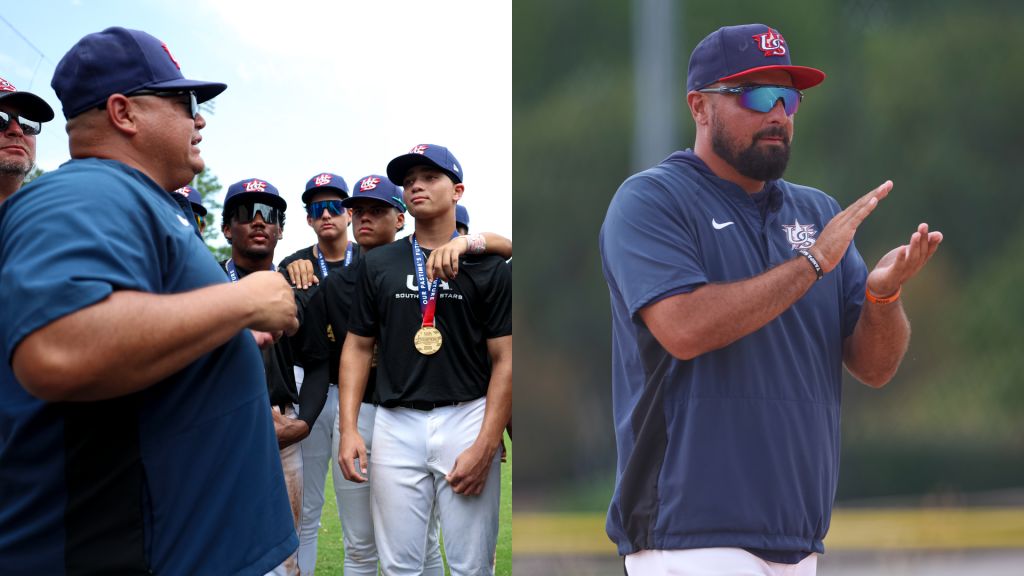
No one does it better than Norm Hebert and Juan Fontela, who have helped Southwest claim six consecutive titles by overseeing tryouts and coaching teams over the years.
“These last couple years we've been blessed with a lot of talent and a lot of returners that come back and want to win this,” says Fontela, who is in his fifth year of coaching the NTIS. “They have a really good bond, really good chemistry between them from previous years of being at NTIS.”
Hebert, who coaches the nationally-ranked St. John Bosco High School program in San Bernardino, California, echoed the same sentiment about the talent in the Southwest region:
“I think the region itself prepares them," Hebert says. “It's a gauntlet to play in the Southwest. I think it’s the best amateur baseball in the country, especially at the youngest ages. Southern California to Vegas to Phoenix is like a triangle of the best baseball.”
“You get a lot of ex-big leaguers and guys that have played the game for a long time who settle in those areas and then go work at major programs. It starts at a super young age, they play year round, they compete against the best, and it's just a trickle down effect.”
A quick look at some of the Southwest NTIS alums reveals a strong legacy of talent in the region.
The program’s first NTIS Champions Cup came in 2018, when it received contributions from Steven Milam at the 14U level and Gavin Grahovac at the 13U level. Milam is now a star shortstop for LSU with a National Championship ring, and Grahovac just finished First Team All-SEC after a standout year for Texas A&M.
The next year, it was 2026 MLB Draft second round pick Logan Schmidt starring for 11U Southwest, as the program won its second straight Champions Cup.
Four years and four titles later, the Southwest success has only snowballed. Hebert says there is another reason for that, besides just the talent.
“We harp all year in the tryouts about what it means to wear U-S-A across their chest and how important it is, but we take it to another level of like, ‘hey, the Southwest has had this success,’ so that [the players] come in with that expectation.”
“I think they elevate themselves when they get out here [in Cary]. It's like, ‘not only am I here at NTIS with USA Baseball, I'm here for the Southwest.’ And you see a little extra spark in them.”
To sort through all the talent in the region, the Southwest coaches use a two-step tryout process that helps them not only identify the best of the best, but also foster some chemistry between the players who will eventually make the trip to Cary. The hope is that the more the players are around each other at tryouts, the quicker they will come together when they form a team at the Champions Cup.
The coaches have also been fortunate to have a core group of players return each year.
“They play together at 12 and 13 and 14 [years old],” says Hebert. “We try to keep a core group on the same team the next year, so they can gel with each other, and that helps them when they get out here have a familiarity. It starts back home in the tryouts, and then it just kind of carries over when we get out here.”
There is one group of players that has enjoyed an inordinate amount of NTIS Champions Cup success. After Hebert coached a 14U Southwest team to gold in 2024, he promised the players if they came back that he would try to keep the squad together.
Most of the players returned last year to play for Hebert, and Southwest won gold again at the 15U level. He brought the same core back to Cary this year for the 16U NTIS Champions Cup, which took place two weeks ago.
“They came here with the goal of winning three years in a row,” he said. “They coached themselves. They were super self-motivated.”
Hebert’s squad won again, going undefeated on the week and securing gold with a walk-off victory in the chFor Hebert, though, the most rewarding part wasn’t simply watching the group win a third straight title. It was watching players who had first met as young teenagers grow into leaders who knew exactly what they wanted when they returned to Cary.
“They came here with the goal of winning three years in a row,” he said. “They coached themselves. They were super self-motivated.”
That kind of familiarity is exactly what Southwest hopes to create: players who don’t just show up to the NTIS Champions Cup as talented individuals, but arrive already knowing how to play for one another.
If the results of the last six years are any indication, they’ve figured out how to do it pretty well.
“They came here with the goal of winning three years in a row,” he said. “They coached themselves. They were super self-motivated.”
Hebert’s squad won again, going undefeated on the week and securing gold with a walk-off victory in the chFor Hebert, though, the most rewarding part wasn’t simply watching the group win a third straight title. It was watching players who had first met as young teenagers grow into leaders who knew exactly what they wanted when they returned to Cary.
“They came here with the goal of winning three years in a row,” he said. “They coached themselves. They were super self-motivated.”
That kind of familiarity is exactly what Southwest hopes to create: players who don’t just show up to the NTIS Champions Cup as talented individuals, but arrive already knowing how to play for one another.
If the results of the last six years are any indication, they’ve figured out how to do it pretty well.